Madeira for Hikers Who Hate Crowds: Cliff Paths, Forest Baths, and Seaside Recovery
Quiet cliff paths, laurel-forest loops, and lava-pool swims—this spring-forward Madeira hiking guide builds a 5–7 day plan for hikers who crave space and seaside recovery.
Trip Length
5-7 days
Best Time
March–June (spring)
Mood
adventure
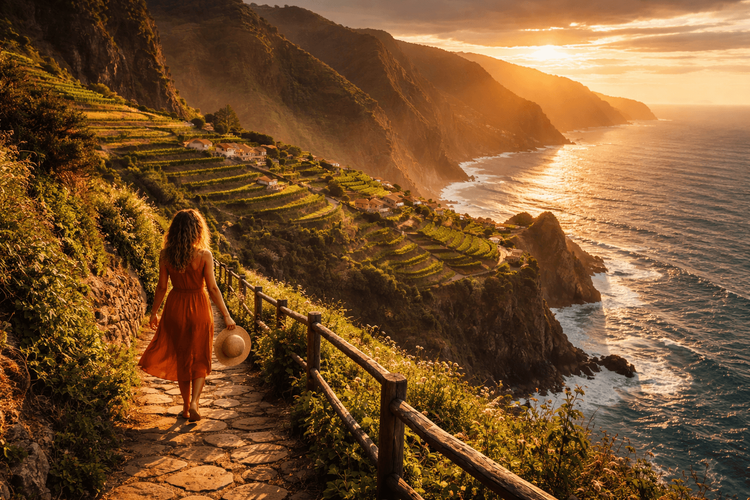
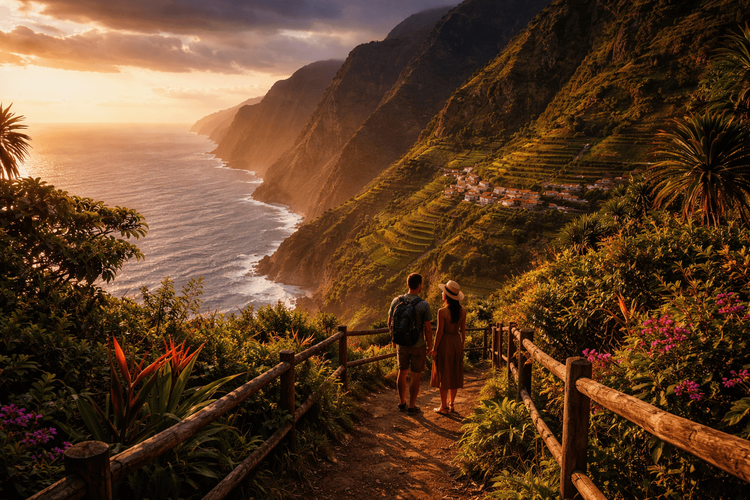
At first light the Atlantic sounds like a steady drum under your feet. A narrow footpath threads along a cliff above terraced fields; fennel and wild thyme brush your calves; a kestrel hangs on the wind. For an hour, it’s only you, the ocean, and the island’s old stone way. If that’s your pace, consider this your Madeira hiking guide to spring—active days, quiet routes, and time to recover by the sea.
Why Madeira, and why spring
Madeira rewards those who like their adventure soft but steady. The island’s levadas—historic irrigation channels edged by footpaths—offer gentle gradients through orchid-bright gardens and into the Laurisilva, the UNESCO-protected laurel forest that drinks in mist. Clifftop trails trace the island’s volcanic ribs with constant Atlantic views. Spring adds a green glow and a sense of space: wildflowers along the terraces, longer days, and milder temperatures on high ground without the summer heat haze.
Crowd-dodging on an island this compact is about timing and selection. Skip the headline hikes in the middle of the day, pick coastal and forest routes with natural spacing, and favor point-to-point sections that require a little logistics. This Madeira hiking guide leans into exactly that.
Madeira hiking guide: a 5–7 day soft-adventure plan
Think of this as scaffolding you can adjust based on weather and mood. You’ll hike most days, but with breathing room for swims, slow lunches, and evening stretches on a seaside promenade.
Day 1: Arrival and a hillside warm-up
Land in Funchal and shake off the flight with an easy levada stroll from the city’s upper neighborhoods. These urban-rural channels edge banana groves and tile-roofed farms, with viewpoints back to the harbor. It’s a gentle way to learn Madeira’s walking rhythm: narrow paths, occasional tunnels, a hum of water, and doors that lead to terraced plots—always leave gates as you find them.
Day 2: The cliff path between Machico and Porto da Cruz
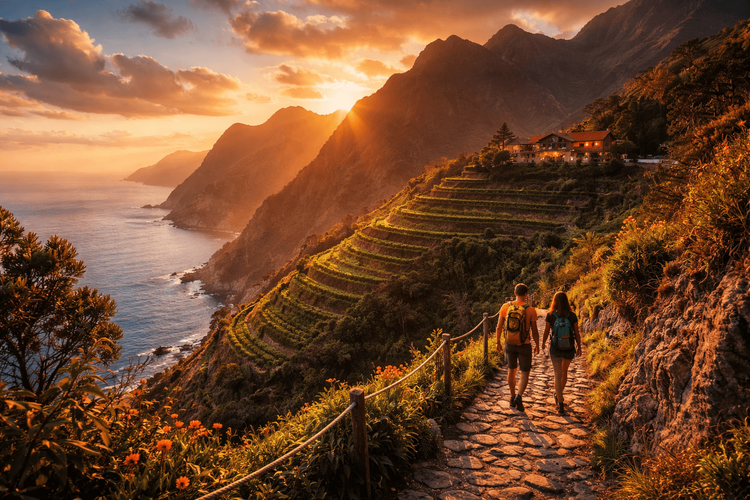
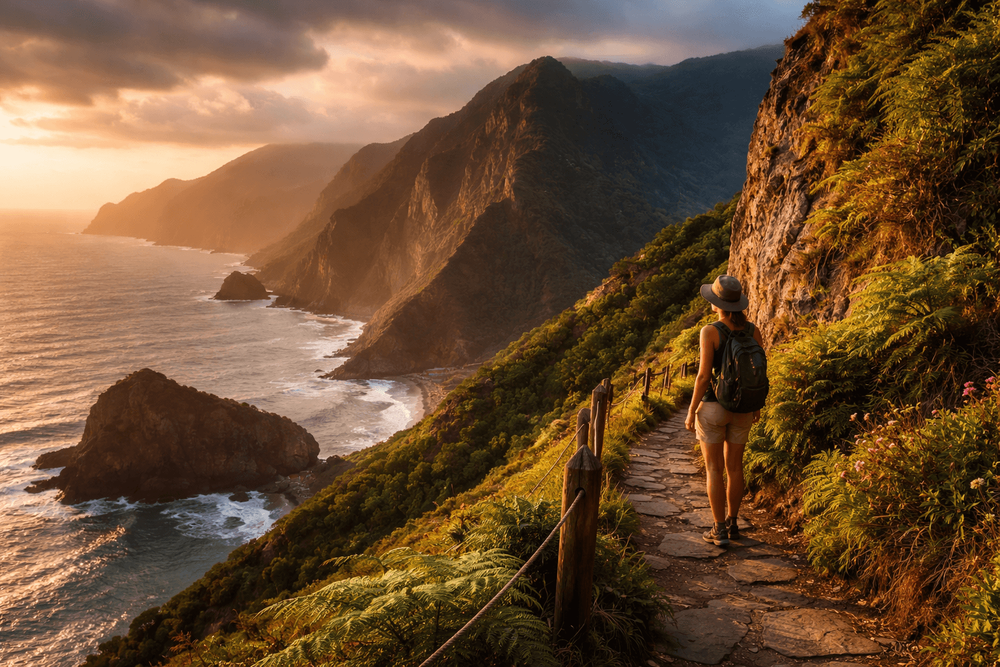
On the island’s southeast coast, a balcony trail contours the headlands between Machico and Porto da Cruz—often called the Boca do Risco/Larano coastal path. It’s narrow in places and largely unguarded, with constant ocean exposure and soaring views. Start early from Machico for the morning light, carry plenty of water, and arrange a pick-up or taxi at the far end to avoid the road walk. If you prefer out-and-back, turn around at the high pass where the full sweep of the north shore opens.
Recovery idea: End with sugarcane juice on the waterfront and a swim if the surf is kind.
Day 3: Forest bathing in the Laurisilva and a high plateau lagoon
Drive to the island’s spine, where mist lingers and the laurel forest holds the scent of bay leaves and wet earth. Wander among the ancient til trees of the Fanal forest—gnarled silhouettes that look like a storybook come to life. Continue onto the Paul da Serra plateau for a levada walk to a waterfall-fed lagoon. The paths up here are forgiving; the drama comes from light and cloud. Pack a headlamp for tunnels, and expect cooler temperatures on the plateau.
Day 4: A valley amphitheater on the north shore
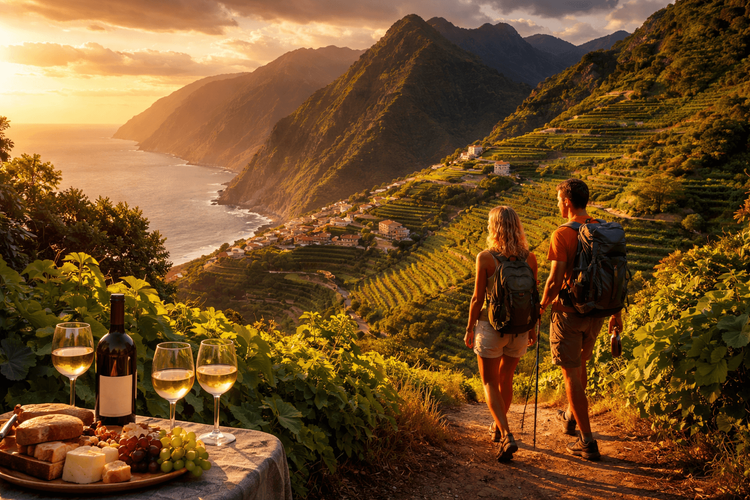
Choose one of the verdant basins that press back from the sea on the north coast—Chão da Ribeira is a favorite for locals. Old footpaths link hamlets through terraces of vines and cabbage patches, with a river threading the floor of the valley. The loop options here feel timeless: stone steps, moss, and the occasional rooster greeting you from a wall. If rain is in the forecast, watch for slick rock and small slides; the forest drinks deeply in spring.
Day 5: Royal roads and western headlands
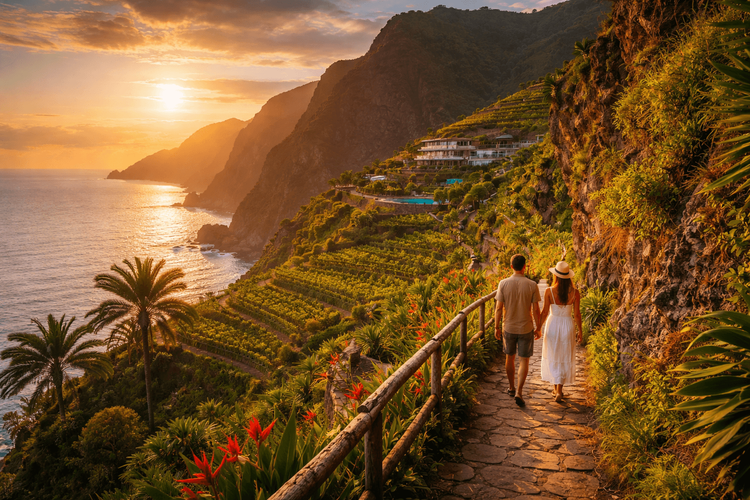
Seek out a section of the Caminho Real, the island’s historic circuit of cobbled paths. On the west coast, segments dip toward lighthouses and wave-battered cliffs, then rise again to grazing lands and craggy viewpoints. The terrain is varied but the gradients are honest, and you’re more likely to meet farmers than guided groups. Sunset here feels endless; the Atlantic stretches with nothing between you and the Americas.
Day 6: Seaside recovery—lava pools and black-sand beaches
Give your legs a day. The north shore’s lava-rock tidal pools are natural plunge baths; the water is clear, the setting photogenic, and even in spring you’ll get warm bursts between clouds. Black-sand coves on the north and south coasts invite a nap with salt in your hair. Snack on bolo do caco (garlic-brushed flatbread), grilled limpets with lemon, and the island’s signature scabbardfish with banana. A glass of fresh-pressed passionfruit juice or a tart poncha—citrus, sugarcane spirit, honey—makes a fine toast to laurel-scented miles.
Day 7 (optional): Above-the-clouds sunrise, minus the crowds
The knife-edge ridge between the island’s highest peaks is famous for a reason—and busy. Crowd-averse hikers can still taste the drama by timing a dawn visit to a viewpoint near Pico do Arieiro, then taking a quieter spur in the first light before returning for breakfast. Another option: choose a ridge walk near the Encumeada pass, where forest meets sky and coach traffic thins. Either way, you’ll earn one last ocean panorama before flying home.
Getting there and getting around
Most travelers arrive via Funchal’s Cristiano Ronaldo International Airport (FNC). There are regular connections from mainland Portugal and other European hubs. From the airport, the coastal highway makes quick work of the drive into Funchal and along the sunnier south side.
A rental car gives you flexibility to chase clear skies between microclimates and to stitch together point-to-point hikes. Expect steep grades, tight village lanes, and short tunnels; local drivers are accustomed to it. Public buses reach many trailheads on the south and north shores, though schedules can mean leisurely lunches while you wait—a pleasure if you plan for it. Taxis and rideshares are handy for one-way routes like the Machico–Porto da Cruz cliff path.
What spring feels like on arrival
Spring on Madeira is a game of altitude and aspect. The south coast tends to be brighter and warmer; the north is moodier, with green hills catching Atlantic weather. Up high, wind is constant and temperatures drop quickly. That contrast is the island’s magic: you might hike through sunlit fennel in the morning, sip caldo verde in a misty mountain bar at noon, and watch a rosy sunset from a seaside miradouro by dinner.
Trails are generally well defined. Expect narrow edges beside water channels, occasional dark tunnels (a small headlamp helps), and steps carved into volcanic rock. Footpaths weave past farms—give space to workers and don’t shortcut terraced slopes. Mobile coverage is decent on ridges and patchy in deep valleys. Download offline maps and check local advisories; closures happen after storms, and forestry crews are efficient about updates.
Where to base to dodge the crowds
A split stay works well. Begin with a south-coast base within easy range of the airport and the island’s cultural core—Funchal’s markets, gardens, and sea promenade are a welcome foil to hiking days. Midway through the week, shift to a north-shore village for easy access to laurel forest loops, cliff routes, and lava pools without long morning drives. You’ll trade hotel amenities for a deeper hush and starlit nights.
Timing your trip
The island has year-round appeal, but for hikers who value empty paths and forgiving weather, spring is the sweet spot—roughly March through June. Wildflowers edge the levadas, waterfalls run, and the Atlantic is warming. Early mornings and weekdays are your allies on popular sections; save weekends for forest interiors and royal roads.
Safety, access, and respect
- Exposure is real on cliff paths—if you’re uneasy with heights, choose forest and levada routes with guardrails.
- After rain, expect slick stone and the chance of small rockfall. If a trail looks compromised, turn back.
- Respect irrigation works and farm plots. If a sign says private, it means it.
- Weather flips quickly at altitude. Layer up and check the sky before committing to a ridge.
- Take out what you bring in, and tread lightly—those mosses and ferns are older than you.
The spirit of this Madeira hiking guide
This isn’t a race; it’s a rhythm. Walk where the island’s pulse slows: under laurel canopies beaded with mist, along cliff paths that hold the ocean like a secret, through terraces shaped by hand. Bookmark this Madeira hiking guide, pick the days that call to you, and leave room for detours. The island rewards the unhurried. Book the flight; the rest is just putting one foot in front of the other—toward a swim, a bread still warm from the griddle, and a sky that goes on forever.
Where to Stay

Aqua Natura Bay
Aqua Natura Bay is a 4-star Madeira Island hotel known for its scenic location and high guest ratings, offering comfortable stays with easy access to the island’s natural attractions.

Dom Pedro Madeira
Dom Pedro Madeira is a 4-star hotel on Madeira Island, offering easy access to local sights and a comfortable stay, with a guest rating of 8.6/10.

Saccharum - Resort and Spa - Savoy Signature
Clifftop 5-star resort on Madeira Island with Atlantic views, Saccharum - Resort and Spa - Savoy Signature offers a spa, multiple pools, and contemporary design near Calheta’s waterfront.

TURIM Santa Maria Hotel
TURIM Santa Maria Hotel is a 4-star stay in Madeira Island with a central location, modern rooms, and easy access to local sights, dining, and the waterfront, earning a strong 9.1/10 guest rating.

Barcelo Funchal Oldtown
Barcelo Funchal Oldtown is a 5-star hotel in Madeira Island, located in Funchal's historic center, with easy access to shops, restaurants, and the waterfront. It offers modern rooms and a rooftop pool, and holds a 9/10 guest rating.