Mexico City’s Edible Edge: Floating Gardens, Rooftop Foragers, and Community Kitchens
Taste Mexico City from the ground up—chinampa farms at dawn, rooftop gardens at dusk, and community kitchens in between. A 4–5 day plan for immersive eating.
Trip Length
4-5 days
Best Time
Year-round; driest and brightest November–May; rainy season June–October with lush produce and calm,
Mood
culinary
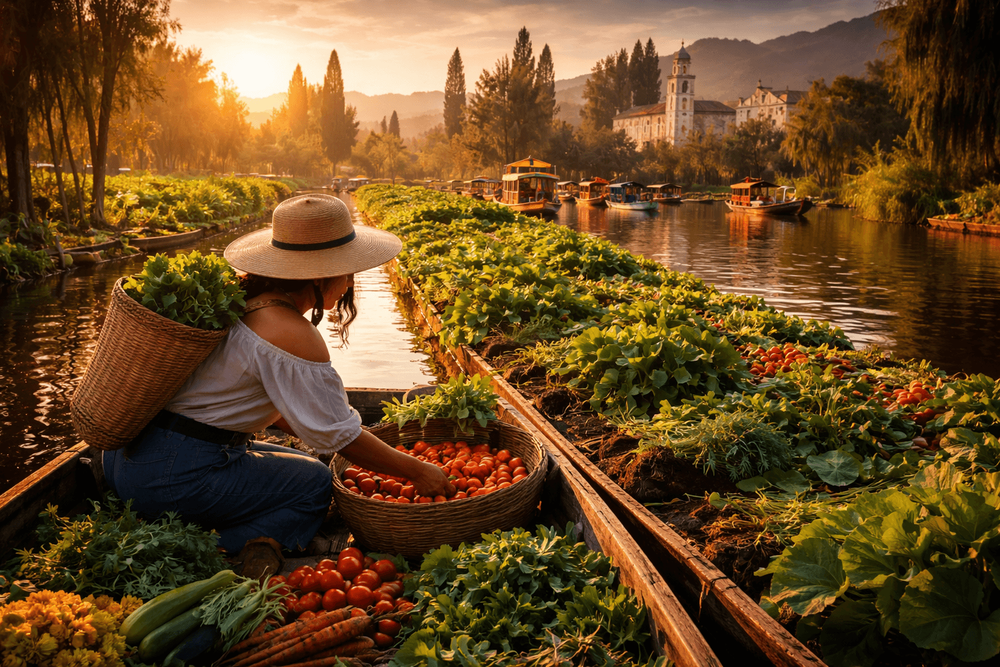
Before sunrise, the canals of Xochimilco hold a silver hush. A farmer steadies a flat-bottomed boat, piles of chard and amaranth glistening beside him, while the city yawns awake in the distance. He cracks a fistful of herbs—peppery, mineral, impossibly alive—and passes them across the planks. This is where many Mexico City food experiences begin: on the chinampas, the floating fields that have supplied the capital for centuries and still whisper the city’s deepest culinary truths.
The living larder of Xochimilco
Long before tasting menus captured international imaginations, the city ate from these UNESCO-listed canals. Built from layers of lake mud, reeds, and soil, the chinampas form narrow islands that coax produce from wet earth in dizzying variety. Visit with a local farmer or cooperative and you’ll see how carefully the canals are tended, how seedlings are raised in hand-shaped soil beds, how the morning harvest becomes lunch. Expect a gentle float rather than a party cruise: the reward is watching kingfishers flash above your boat and tugging sprigs of epazote and quelites from dark, fragrant humus.
Many visits include a simple, exquisite meal right on the island—tortillas pressed from fresh nixtamal, a salsa ground on a stone, greens pinched minutes before. The flavors are clean and ringing: squash blossoms with a faint honeyed note; herbs with an unvarnished bite. Bring a hat and go early; the canals are their calmest in the morning. Ask ahead about the day’s work on the island—planting, weeding, or harvesting—so you can help and learn without getting in the way.
Rooftop growers and the city’s quiet foragers
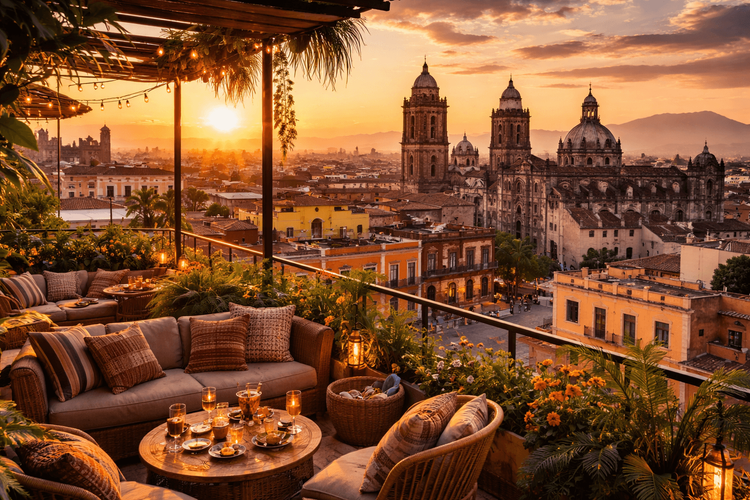
North of the canals, roofs and terraces have become improvised farms. In neighborhoods like Roma, Juárez, and Condesa, you’ll spot planter boxes edged with chiltepín, pots of hoja santa, and trellises bearing chayote. Some buildings keep microgreens under shade cloth; others host beehives capturing the city’s floral drift from jacaranda, citrus, and wild herbs. A few evenings a month, these gardens turn into intimate supper spaces, where cooks compose menus around what the rooftop gives: a salsa whirred from green tomatoes still warm from the sun, a salad of papalo and citrus, tortillas puffing on a portable comal.
Urban foraging here is low-key and respectful—more observation than collection. After summer rains, edible weeds flourish along canal edges and in vacant plots at the city’s fringe. You’ll hear cooks talk about tasting seasons rather than just months: when huitlacoche fattens inside the corn, when huauzontle tops are at their sweetest, when chilacayote dries into candy-like slivers. If you join a guided walk—sometimes offered by community groups—expect a primer in restraint: touch, identify, taste a leaf, and leave the stand to seed. The thrill is less in the basket than in learning how the metropolis still feeds on wild edges.
Markets: the engine room of daily eating
The soul of the city’s table thrums in its markets. Walk into the flower market and you’ll be hit first by perfume—armfuls of marigold, clouds of tuberose—then by the produce: limes with glossy skins, cactus paddles scored and stacked, chilies in a hundred shades. In the produce alleys, tamale steam snugs the air; vendors press tortillas that puff like small miracles; antojitos griddles hiss with oil. This is where cooks plan menus, where stallholders alert each other to the first strawberries of spring or a crate of mushrooms from the southern forests.
Spend time with the masa. Seek out a tortillería that mills on-site, where corn kernels—nixtamalized with lime—tumble from the grinder into a warm, fragrant dough. Ask for a plain tortilla hot off the press; you’ll taste the field. Street stands nearby fill tlacoyos with beans and top them with tangy queso and salsa, or tuck squash blossoms into griddled quesadillas that stretch like stained glass. No frills, no performance—just the rhythm of a city that still eats in the open.
Community kitchens and collective tables
Not every meal here comes with a reservations page. Across working neighborhoods you’ll find comedores—community kitchens and humble eateries—serving midday comida corrida: a set sequence that might start with a simple soup, continue with a guisado, and close with a cool agua fresca. What these places offer is continuity. Elders arrive early, office workers slip in late, and families come for the one thing no glossy dining room can deliver: the familiar taste of home-cooked stews and tender tortillas, served without hurry.
Many collectives also host weekend cooking circles—masa workshops in borrowed courtyards, pozole nights in cultural centers, cacao tastings that explore roasting levels and regional beans. It’s easy to overplan in a city this size; leave room to say yes when a vendor mentions a neighborhood festival or a temporary kitchen popping up in a plaza.
Mexico City food experiences: a 4–5 day plan
This is a city that rewards focus. Use these days as a spine and let the markets and invitations bend your schedule.
Day 1: Orient in the historic center. Walk a traditional market in the morning; sample fruit you don’t recognize (ask for a taste before you buy). Lunch on street griddle specialties—tlacoyos or quesadillas with seasonal fillings. In the afternoon, visit a café that roasts Mexican beans and linger over a pour-over; the altitude makes aromas sing. Evening in a classic cantina or a mezcal-focused bar for small plates and a flight that maps Mexico’s agave regions.
Day 2: Dawn on the chinampas. Pre-arrange a guided visit with a farmer-led group. Help with a light task, then sit down to a canal-side meal that distills the island’s morning. Back in the city, head south to explore a neighborhood market for moles and fresh cheeses. Dinner can be a contemporary tasting menu or a casual spot led by young cooks sourcing directly from producers—both paths tell the same story in different vocabularies.
Day 3: Rooftops and workshops. Seek out a terrace garden tour or an urban beekeeping talk; many are announced the week of. Spend the afternoon in Roma or Juárez, tasting snacks at sidewalk stands—corn in all its forms, grilled or steamed. Book an experimental supper club or a chef’s counter where the menu pivots daily depending on what arrived from a chinampa or a forager’s basket.
Day 4: South and forest fringe. If schedules align, join a guided walk in the southern forests to learn about seasonal mushrooms and herbs; otherwise, visit a weekend art-and-food market in Coyoacán or San Ángel for tamales, atoles, and sweets. Close the day with a cacao session that moves from nibs to drinking chocolate, then a late pulque at a historic bar where music spills onto the sidewalk.
Day 5 (if you have it): Return to what surprised you. The best Mexico City food experiences are iterative: the second visit to the same stall, the rooftop you see at sunset, the cook who recognizes you and adds an extra spoonful of salsa.
Practicalities: getting in, moving around, timing it right
How to get there: Most international flights land at Mexico City International Airport (MEX). From the terminals, you can use authorized taxi booths, ride-hailing pick-up points, or connect to public transport—the Metro and Metrobús both serve the airport. Traffic can be intense; if you have a time-sensitive reservation, give yourself a cushion.
Getting around: The Metro and Metrobús are extensive and efficient during off-peak hours; for late nights or cross-town hops, ride-hailing apps are convenient. In the canal zone, plan for a land transfer to the embarcaderos, then a boat arranged in advance with your farmer or guide.
What to expect on arrival: Mexico City is a high-altitude capital; take it easy your first day and drink plenty of water. Sun can be assertive even when it’s cool, and afternoon showers are common in the rainy season. Cards are widely accepted in modern venues, but many market stalls and small eateries prefer cash. Reservations help for special dinners and chinampa visits; workshops and pop-ups often announce dates close-in, so keep your schedule flexible.
When to go: The city is delicious year-round. November through May tend to be drier and brighter; June through October brings rains that fatten wild greens and mushrooms. Mornings are best for canals and markets, whatever the month.
Why this city tastes the way it does
What sets Mexico City apart isn’t a parade of marquee dining rooms, it’s the metabolism beneath them: chinampa farmers steering skiffs through morning mist; millers coaxing sweetness from native corn; grandparents ladling soups in comedores; gardeners tucking seedlings into rooftop boxes. The experimental scene thrives because the supply lines are alive and near. Chefs and home cooks pull from the same network of growers, foragers, and grinders, speaking the same grammar of masa, chile, herb, and smoke.
That’s the invitation. Let the city feed you at every scale: in a tortilla eaten with your fingers at a market counter; in a boat piloted through green corridors; on a roof with the day cooling and a salad cut from the next planter over. Build your trip around producers and the meals that honor them, and you’ll find the most vivid Mexico City food experiences aren’t on a list—they’re on the table, waiting for you to pull up a chair.
Where to Stay

Camino Real Aeropuerto
Camino Real Aeropuerto is a 4-star, business-oriented hotel near Mexico City's southern barrios and chinampas, offering convenient airport access, business-friendly facilities and on-site dining, with a guest rating of 8.1/10.

Hotel Catedral
Hotel Catedral is a 4-star hotel in Mexico City's southern barrios near the chinampas, earning a 9.1/10 guest rating; it offers comfortable rooms, attentive service and a convenient base for exploring local markets, canals and neighborhood culture.

Barcelo Mexico Reforma Mexico City
Barcelo Mexico Reforma in Mexico City's southern barrios near the chinampas is a 4.5-star, modern hotel offering contemporary rooms, dining and business facilities, and a fitness center; guests give it an 8.8/10 for its location and amenities.

Hotel Metropol
Hotel Metropol is a 4-star hotel in Mexico City's southern barrios near the chinampas, offering comfortable, contemporary rooms, on-site dining, free Wi-Fi and concierge services, and easy access to local transport and waterways; guests give it a 7.8/10.

Hotel Ritz Ciudad de Mexico
Hotel Ritz Ciudad de Mexico is a 4-star stay in Mexico City’s southern barrios & chinampas, offering a convenient base for exploring the area and a well-rated guest experience with an 8.9/10 score.